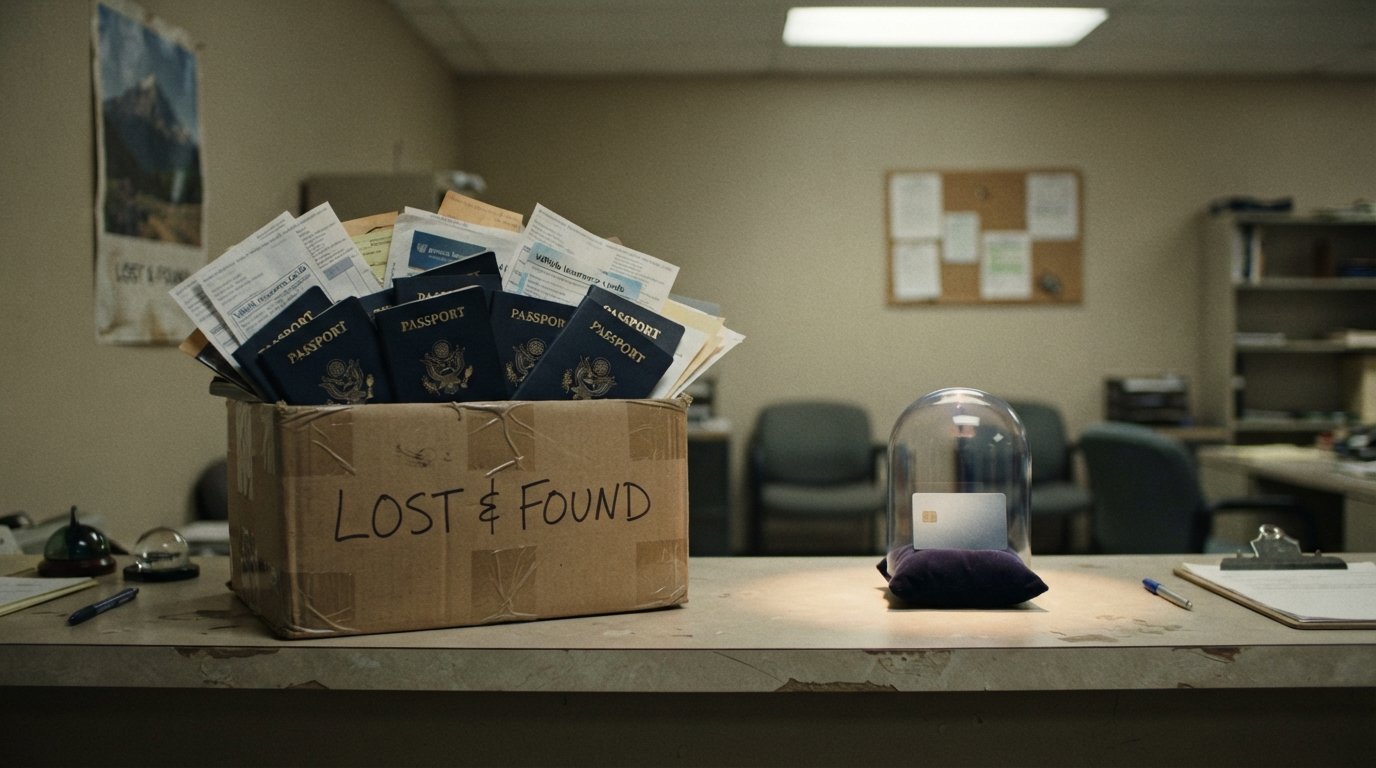
Colorado Would Like You to Know Your Credit Card Is Fine
About 100,000 people stored passports, registrations and insurance cards in Colorado's state app. Somebody else has them now. No payment information was involved, though.
I work in the IoT industry, helping companies throughout the Americas solve their toughest problems with tiny but brilliant devices. I also run hands-on smart home workshops at my office in Boca Raton and moderate the r/ShellyUSA subreddit.
I'm a consumer too, and I deeply believe in our innate right to privacy. Local control is critical when I choose any piece of personal electronics - it's how my own home automation choices became my day job. If a device can't do its job without sending my family's data to someone else's server, I don't want it.
I think our data privacy is at greater risk today than at any time before. We're surrounded by tools that make it easy to trade convenience for the safety of our families, and most of us don't see what we gave up. Not until the company behind the product sells our data, suffers a breach, or switches the service off.
That's what I write about here: privacy, local control, and how the hardware actually works. I hope you find something here that is worth your time.
About 100,000 people stored passports, registrations and insurance cards in Colorado's state app. Somebody else has them now. No payment information was involved, though.

Three weeks before Samsung's December 15 cutoff, the Home Assistant code that's supposed to replace the SmartThings integration is still an unmerged pull request. Samsung set the dates, sells the required plan in only nine countries, and hasn't answered a question since. Here's what the new setup will ask of you, and why you shouldn't wait to find out how it goes.

Starting December 15, Samsung will charge SmartThings owners $4.99 a month just to keep their devices connected to Home Assistant, and it's calling every one of them a "developer" to do it. It's the latest in a long line of take-backs from a company that's already killed hubs, Groovy, and long-lived access tokens. Here's what's changing, and why now is the time to move your devices to Home Assistant and stop paying rent on hardware you already own.

Roku is leaving the smart home business days after Fox bought it, promising "continued support." Until when? Roku didn't say. Owners are left with cloud-only cameras that only work with Roku. Here's why that promise won't outlive the hardware, and what to ask for before the servers go dark.

Google just shut down a botnet that a TV box maker built into 1.3 million of its own devices. Your name-brand smart TV does a lot of the same things. The only real difference is who gets paid.

Navigate360 finally confirmed that hackers copied data from P3, the tip platform Crime Stoppers groups and schools use for anonymous tips. The hack was claimed in March. For people who reported crimes on a promise of anonymity, seven months is a long time not to know.

Quest says someone got into the system doctors use to order lab tests and view results. Here's what's known so far and what you can do now.

Hundreds of French supermarkets turned out to be about 700, across several countries and several brands of refrigeration controllers. The attackers hid it by stretching defrost cycles so the alarms waited, and a lot of the hacked hardware stopped getting updates years ago. The fix is still the same: get it off the Internet.

Chrome updated itself overnight and left me a present: a tab announcing that Gemini can now answer questions about the videos and audio you play. How thoughtful. Google already knew what you watched, and now it can know what was said. The off switch is in the last line of a tab most people close without reading. Funny how the privacy option always ends up in the fine print.

Somebody set hundreds of French supermarket freezers to “defrost” from a keyboard. Six hours at 50°C later, they were tossing out the meat. Turns out letting strangers run your cold storage over the Internet is a bad idea. Here’s how to keep your freezer’s controls inside the building.
This site doesn't store cookies. There are no ads. It doesn't ask for your email, and you can't sign up for updates. If you want to see new articles, bookmark the page and check back, or follow the RSS feed. Privacy is privacy.